I still remember the day I decided to give my old dining chairs a brand new look by reupholstering them. It was a daunting task, but the end result was well worth the effort. I had heard that reupholstering dining chairs was a complicated and expensive process, but I was determined to prove that myth wrong. With some patience and the right tools, I was able to breathe new life into my old furniture. If you’re considering reupholstering dining chairs, you’re probably wondering where to start.
In this article, I’ll share my personal experience and provide you with practical advice on how to reupholster your dining chairs with ease. You’ll learn how to choose the right fabric, remove the old upholstery, and attach the new one. I’ll also share some helpful tips and tricks to make the process smoother and less intimidating. By the end of this guide, you’ll be equipped with the knowledge and confidence to give your old dining chairs a fresh new look, just like I did. Whether you’re a DIY enthusiast or a beginner, this article will provide you with the honest and no-hype guidance you need to successfully complete your reupholstering dining chairs project.
Table of Contents
Project Overview
Total Time: 4 hours 30 minutes
Estimated Cost: $50 – $100
Difficulty Level: Intermediate
Tools Required
- Utility Knife ((with extra blades))
- Staple Gun ((pneumatic or manual))
- Tape Measure
- Scissors ((heavy-duty))
- Fabric Brush ((for smoothing fabric))
Supplies & Materials
- Upholstery Fabric ((of choice, approximately 2 yards))
- Foam Cushioning ((optional, 1/2 inch thick))
- Batting ((optional, 1/4 inch thick))
- Upholstery Thread
- Staples ((1/2 inch or 1 inch, depending on chair frame))
Step-by-Step Instructions
- 1. First, prepare your workspace by clearing a large, flat area where you can work on your chairs without any distractions or obstacles. This will be your headquarters for the reupholstering process, so make sure it’s comfortable and well-lit. You’ll also want to cover your work surface with a drop cloth or old sheets to protect it from any accidental scratches or spills.
- 2. Next, remove the old upholstery from your dining chairs, taking care to document the process with photos or notes so you can refer back to them later when it’s time to reassemble everything. This will help you understand how all the pieces fit together and make the reupholstering process much smoother. Be gentle when removing the old fabric, as you’ll likely need to use the existing frame and structure as a guide for your new upholstery.
- 3. Now it’s time to inspect and repair the frame, if necessary. Check for any loose joints, broken screws, or other damage that may have occurred over time. Make any necessary repairs before proceeding, as a sturdy frame is essential for comfortable and safe seating. You may need to use wood glue or replace certain parts altogether, depending on the extent of the damage.
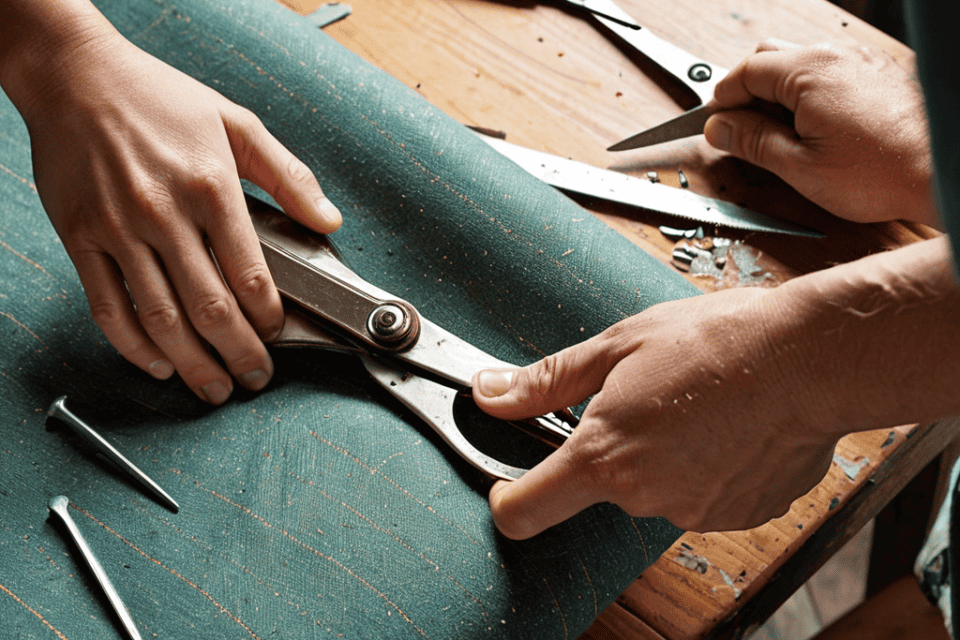
- 4. With your frame repaired and ready to go, it’s time to cut your new fabric. Use your measurements from earlier to cut out the individual pieces, leaving a little extra around the edges for stapling or sewing. Make sure to pattern match if your fabric has a distinct design, and consider using a rotary cutter and mat for precise, efficient cuts.
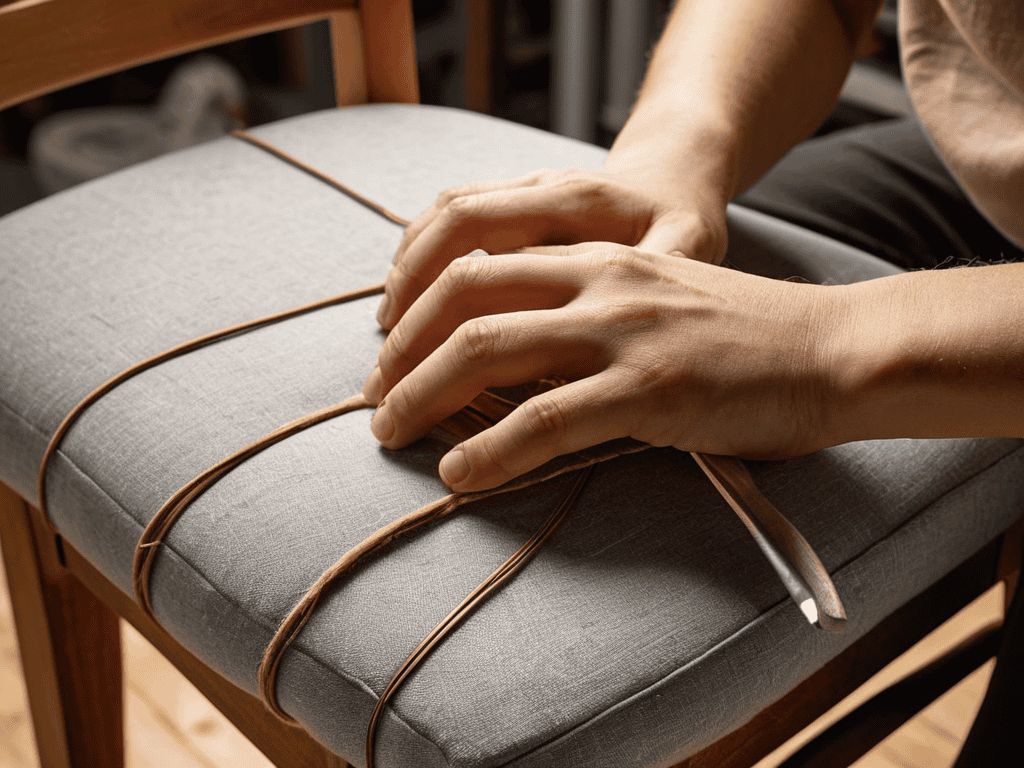
- 5. Once you have all your fabric pieces cut, start attaching the new upholstery to the frame, beginning with the seat and working your way up to the back and arms. Use a staple gun or upholstery tacks to secure the fabric in place, making sure to pull it tight to avoid any wrinkles or sagging. You may need to use a combination of both staples and tacks, depending on the type of fabric and the design of your chair.
- 6. As you work your way around the chair, be sure to add any additional layers, such as foam cushioning or batting, to enhance the comfort and appearance of your newly reupholstered seat. These layers should be cut to size and attached using a combination of glue, staples, and tacks. Don’t be afraid to get creative and add your own unique touches, such as decorative trim or piping, to give your chairs a one-of-a-kind look.
- 7. Finally, reattach any hardware or decorative elements, such as chair legs or armrests, and inspector your work to make sure everything is secure and evenly spaced. Take a step back and admire your handiwork – you should now have a beautifully reupholstered dining chair that looks and feels like new. If you’re happy with the results, it’s time to move on to the next chair and start the process all over again.
Reupholstering Dining Chairs

When it comes to giving your dining chairs a fresh new look, choosing the right upholstery fabric is crucial. You’ll want to select a pattern that complements the overall aesthetic of your dining room, while also considering the durability and ease of cleaning of the fabric. Upholstery fabric patterns for dining chairs can range from classic and elegant to bold and modern, so take your time to browse through different options and find the one that suits your style.
As you’re browsing for the perfect fabric to give your dining chairs a fresh new look, you might want to explore some inspirational resources to help you make a decision. For instance, if you’re looking for a unique and exotic atmosphere, you could consider visiting websites that showcase cultural events and nightlife, such as sex in hamburg, which might spark some ideas for bold and vibrant colors or patterns to add a touch of excitement to your dining room. By doing so, you’ll not only find the ideal fabric but also gain a deeper understanding of how to balance aesthetics with functionality, ultimately leading to a successful reupholstering project that reflects your personal style.
In addition to selecting the perfect fabric, dining chair frame repair techniques may also be necessary to ensure your chairs are sturdy and stable. This can include tightening loose joints, replacing worn-out screws, or even re-gluing loose frames. By addressing any underlying issues with the chair frame, you’ll be able to create a solid foundation for your newly upholstered seats. Reupholstering chair seats with foam can also add an extra layer of comfort and support, making your dining experience even more enjoyable.
To stay within your budget, consider diy chair reupholstery on a budget by shopping for discounted fabrics, repurposing old materials, or getting creative with your design. You can also explore modern upholstery fabric trends to find inspiration for your project and give your dining chairs a unique and stylish touch. By being mindful of your expenses and getting crafty with your approach, you can achieve professional-looking results without breaking the bank.
Budget Diy Reupholstery Tips
To keep costs down, consider shopping for fabric remnants or discount upholstery material. You can also repurpose old clothes, sheets, or curtains to add a unique touch to your chairs. Additionally, instead of hiring a professional, gather some friends and make a DIY day out of it – not only will you save money, but you’ll also have fun doing it.
Look for online tutorials and videos that provide step-by-step guidance on reupholstering, which can be a great resource to help you navigate the process and avoid costly mistakes.
Modern Fabric Trends for Chairs
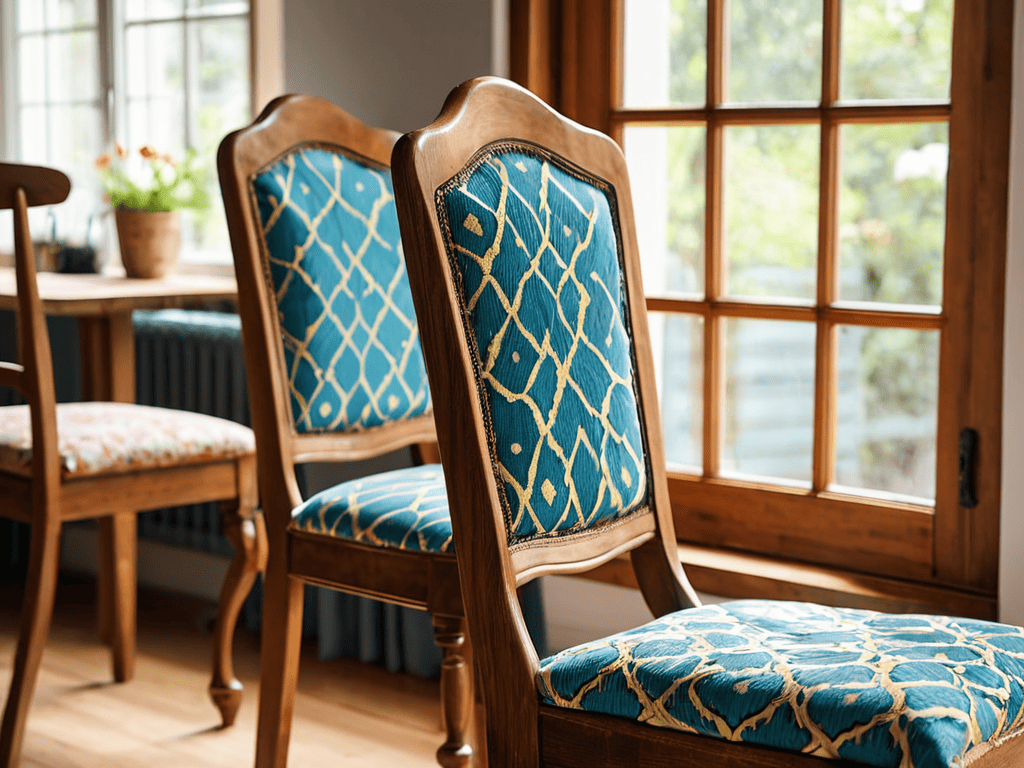
When it comes to reupholstering dining chairs, the fabric you choose can make all the difference. Modern fabric trends offer a wide range of stylish and durable options. From bold geometric patterns to elegant velvet textures, the choices are endless. Consider statement-making fabrics like bright florals or abstract designs to add a pop of personality to your dining room.
For a more understated look, neutral tones like beige, gray, or navy blue can provide a sleek and sophisticated backdrop for your dining space. Whichever fabric you choose, make sure it reflects your personal style and complements the overall aesthetic of your home. With the right fabric, your reupholstered dining chairs will be the perfect blend of form and function.
Bringing New Life to Your Dining Space: 5 Essential Reupholstering Tips
- Choose a fabric that not only matches your dining room’s aesthetic but also considers durability and stain resistance for a long-lasting finish
- Measure your chairs carefully to ensure accurate fabric cuts, taking into account any intricate designs or patterns that may affect the layout
- Select the right tools for the job, including a sturdy staple gun, sharp scissors, and a reliable sewing machine for those hard-to-reach areas
- Consider adding extra comfort and support by incorporating new foam or batting during the reupholstering process, especially for chairs that will be used frequently
- Don’t be afraid to get creative with the design – mix and match different fabrics, add decorative trim, or incorporate vintage elements to give your dining chairs a unique, personalized touch
Key Takeaways for a Successful Reupholstery Project
Choose a fabric that not only matches your dining room’s aesthetic but also complements the chair’s original design to create a harmonious and inviting atmosphere
Measure carefully and plan your reupholstery project meticulously to avoid costly mistakes and ensure a professional-looking finish
Don’t be afraid to experiment with modern fabric trends and DIY techniques to add a personal touch to your dining chairs and make them truly unique
Breathe New Life
Reupholstering your dining chairs is not just about giving them a fresh new look, it’s about telling a story of revival and renewal, where every thread and stitch speaks of the love and care you’ve poured into bringing them back to life.
Emily J. Miller
Conclusion
As we’ve seen, reupholstering dining chairs can be a fun and rewarding DIY project. From choosing the perfect modern fabric trends to applying the final touches, the process requires patience, creativity, and some hands-on effort. We’ve covered the essential steps, from removing the old upholstery to attaching the new fabric, and explored ways to stay within your budget with some clever budget DIY reupholstery tips. Whether you’re aiming for a vintage look or a sleek, contemporary design, the key to success lies in careful planning and attention to detail.
So, the next time you look at your worn-out dining chairs, remember that they hold the potential for a stunning transformation. With a little imagination and some elbow grease, you can turn them into beautiful, one-of-a-kind pieces that reflect your personal style and add a touch of warmth to your dining room. As you embark on this creative journey, don’t be afraid to experiment, try new things, and make mistakes – after all, it’s often the unexpected twists and turns that lead to the most amazing results.
Frequently Asked Questions
What are the most durable fabrics for reupholstering dining chairs that can withstand heavy use?
For heavy-use dining chairs, I swear by durable fabrics like Crypton, Faux Leather, or high-rub cotton. These materials can withstand spills, scratches, and constant cleaning, making them perfect for busy households. Plus, they’re easy to clean and maintain, ensuring your newly reupholstered chairs stay looking fresh for years to come.
How do I ensure a tight and smooth fit when reupholstering my dining chairs?
To achieve a tight and smooth fit, make sure to stretch the fabric tightly over the chair frame and use staples or upholstery tacks to secure it in place, working from the center outwards to avoid wrinkles and creases.
Can I reupholster my dining chairs myself if I have no prior experience with upholstery?
Absolutely, you can reupholster your dining chairs yourself, even with no prior experience. It might take some patience and practice, but with the right tools and a bit of dedication, you can achieve professional-looking results and save some money in the process. Just take it one step at a time and don’t be afraid to make mistakes – they’re all part of the learning process.
